





Wednesbury principles
Environmental Impact Assessment Handbook, Guidance for competent authorities, consultation bodies, and others involved in the Environmental Impact Assessment process in Scotland, published by Historic Environment Scotland and Scottish Natural Heritage in 2018, defines the Wednesbury principles as: ‘A standard of unreasonableness used in assessing an application for judicial review of a public authority’s decision. A reasoning or decision is Wednesbury unreasonable (or irrational) if it is so unreasonable that no reasonable person acting reasonably could have made it.’
[edit] Related articles on Designing Buildings
Featured articles
Check out some of the best features and news from Designing Buildings as well as key stories from around the web.
Changing expectations around competence and compliance

New information sheet from CIAT.
Grenfell investigation files passed to CPS

Angela Rayner apologises on behalf of the British state.

Electrical contractors need to understand the practical implications.

The real barrier to getting more value from digital technology.

Your guide to The Construction Reset at UKCW Birmingham.

Accommodating the Victorian and Edwardian working woman. Book review.
Rethinking passive fire protection in design

PFP demands the same level of design rigour as structure or services.

38% of Gen Zs feel safe when a fire door is wedged open.
Stunning images from around the world

Shortlist for CIOB’s Art of Building photography competition.
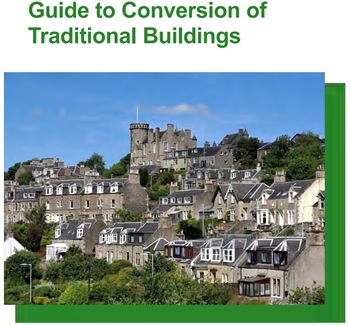
Guidance for conversion of traditional pre-1919 stone buildings.
Industrial heritage in the Ruhr
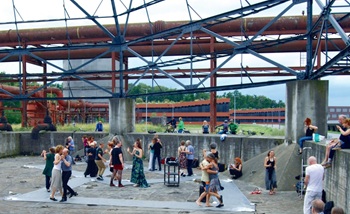
A marked difference to the fate of industrial landscapes in the UK.

Communities will be able to build their own clean energy.